According to Sprout Social, by 2025, 64% of customers would want marketers to reach out to them because they want to feel connected. This number highlights the importance of having a strong branding strategy.
However, many companies struggle, since branding can take many forms. A key aspect of building a strong and clear identity is learning about branding techniques. Learning about diverse types of branding allows you to define which one is the most suitable for your needs.
Key Takeaways:
- All kinds of branding help people feel like they belong and build ties with them.
- Choosing the appropriate kind of branding might help people trust and respect your business more.
- Some styles of branding rely on reputation, others on being distinctive, and yet others on providing an exceptional experience.
Unlocking Business Growth Through Smart Types of Branding
Branding, for whatever its purpose, is all about consistency, from visuals, messaging style, to actions. The following list of types of branding you need to know can help you determine a befitting approach in building a more consistent and relevant brand for your audience.
1. Corporate Branding

The diagram showing the elements of corporate branding (Source: Reverbico)
Corporate branding unifies a company’s websites, goods, services, and marketing materials. This method enables large businesses to establish a global reputation for trust. Its consistent style and narrative align with the company’s values.
For instance, Salesforce features the color “cloud blue” to convey integrity and authority in the industry. Clean typography and consistent icons reinforce its modern identity and trustworthy image as a global CRM partner.
2. Personal Branding

Tips for building personal branding (Source: Marshall Pr)
Personal branding focuses on what makes a person unique, their vision, and their unique approach. This approach excels at building trust and long-term influence. Oprah Winfrey’s public appearances, talk programs, and charitable work are characterized by her constant honesty, kindness, and passion.
3. Product Branding
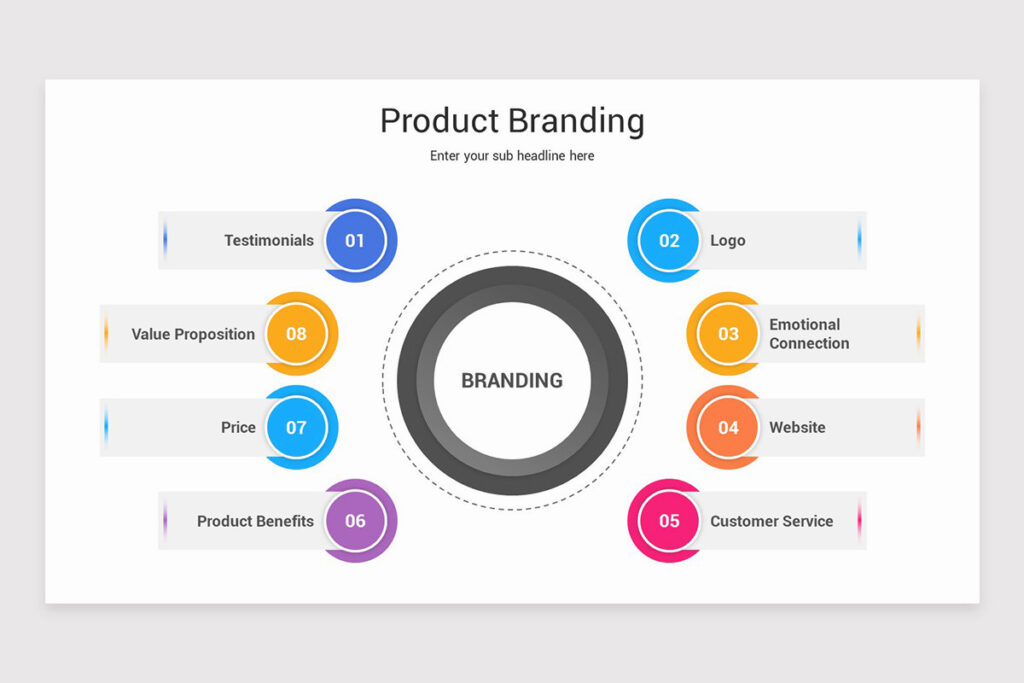
Product branding elements infographic chart (Source: Nulivo)
Product branding focuses on establishing a distinct identity for a product through market research and targeted audience analysis. The advantage is that businesses can highlight the product’s uniqueness without burdening the parent company’s reputation. Its primary characteristic is identity independence.
PepsiCo employs a branding approach that reflects one of the common types of branding in business by creating worldwide hits that people in many countries enjoy. Local tastes are accommodated while maintaining a worldwide brand. This is the method used in Mexico by SABRITONES and in Canada by Lay’s Dill Pickle.
4. Service Branding

The benefits of service branding (Source: Evolv Bam)
Service branding prioritizes customer engagement and experience. The benefits are ideal for platform-based enterprises. It emphasizes security and emotional connection. For example, Airbnb utilizes visuals and a straightforward booking process to foster trust and encourage people to explore.
5. Cultural Branding
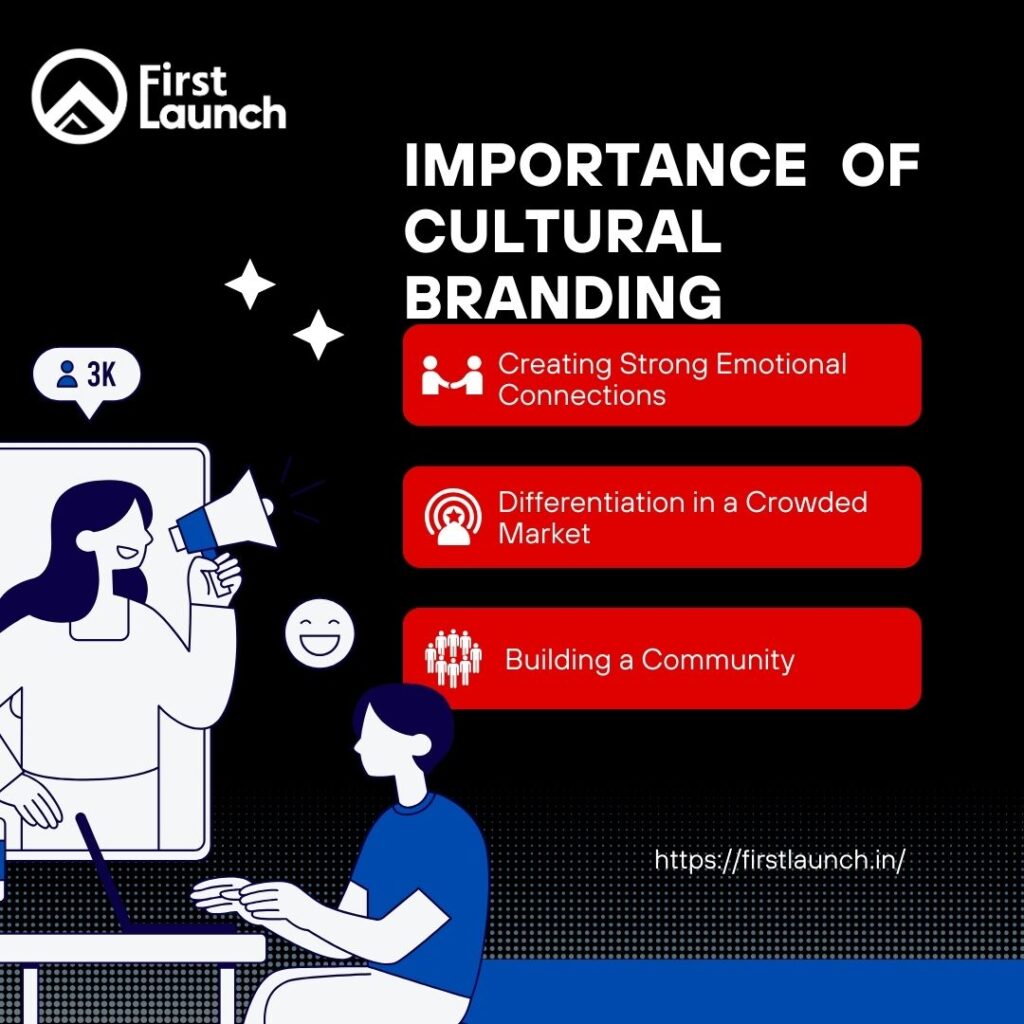
Importance of cultural branding strategy (Source: First Launch)
Cultural branding is a strategy that focuses on emotional attachment to a particular culture or lifestyle. Therefore, this approach is beneficial for tourism businesses and storytelling-based brands. Its characteristics emphasize immersive narratives.
For example, Harley-Davidson shows independence via its well-known slogan and visual symbolism.
6. Retail Branding
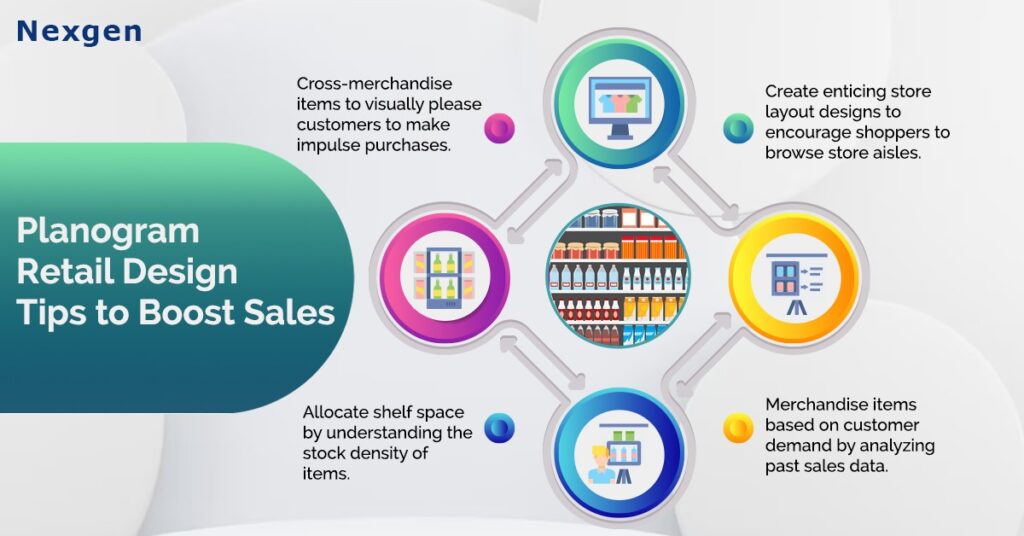
Planogram retail design tips boost sales (Source: Nexgen)
Retail branding is one of the types of branding strategies that focus on retail businesses by using approaches tailored to specific target audiences. Therefore, this way is highly effective in increasing sales through a seamless shopping experience. Its key characteristics are a strong store identity and consistent communication.
Amazon ensures top-notch customer service across all channels, including online (from website to app) and offline, to maintain public trust.
7. Online Branding

Online branding customer journey from reach to engage. (Source: Marketing 91)
Online branding is a method of establishing an identity using digital tools, including websites, mobile apps, and social media platforms. This strategy is ideal for companies seeking to expand their reach.
For instance, Domino’s developed the Anyware service, which lets consumers purchase pizza using Alexa (Amazon’s voice assistant) and Slack (a business communication app).
8. Co-Branding
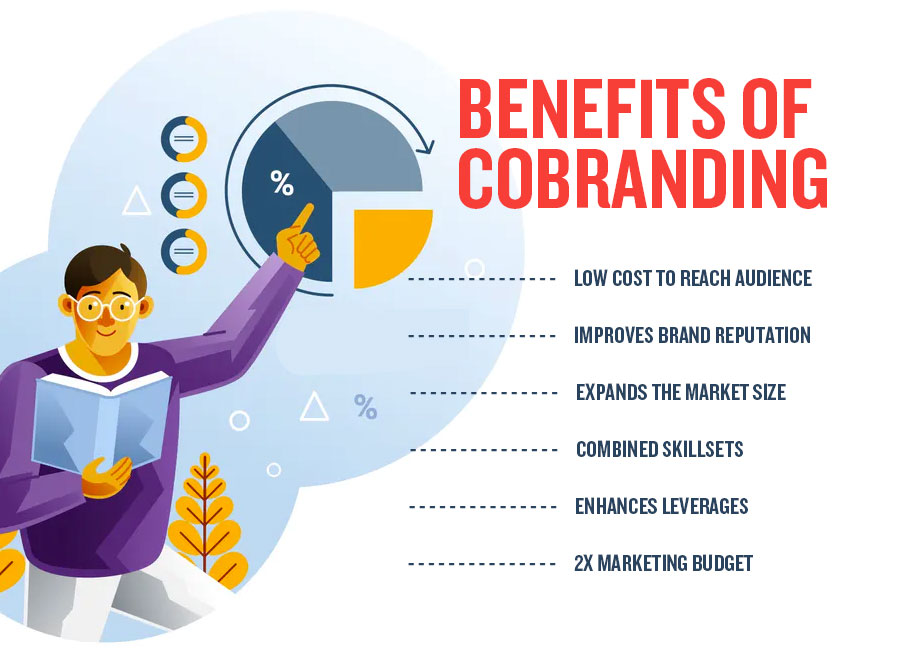
List of the benefits of using co-branding (Source: Designer People)
Co-branding is a strategic collaboration between two brands to expand their audience reach, emphasizing shared values and brand identity. The advantage is that businesses can leverage the trust each brand has in the other to support each other.
One example is the collaboration between Nike and PlayStation, which resulted in special-edition PS5-themed sneakers.
9. Luxury Branding
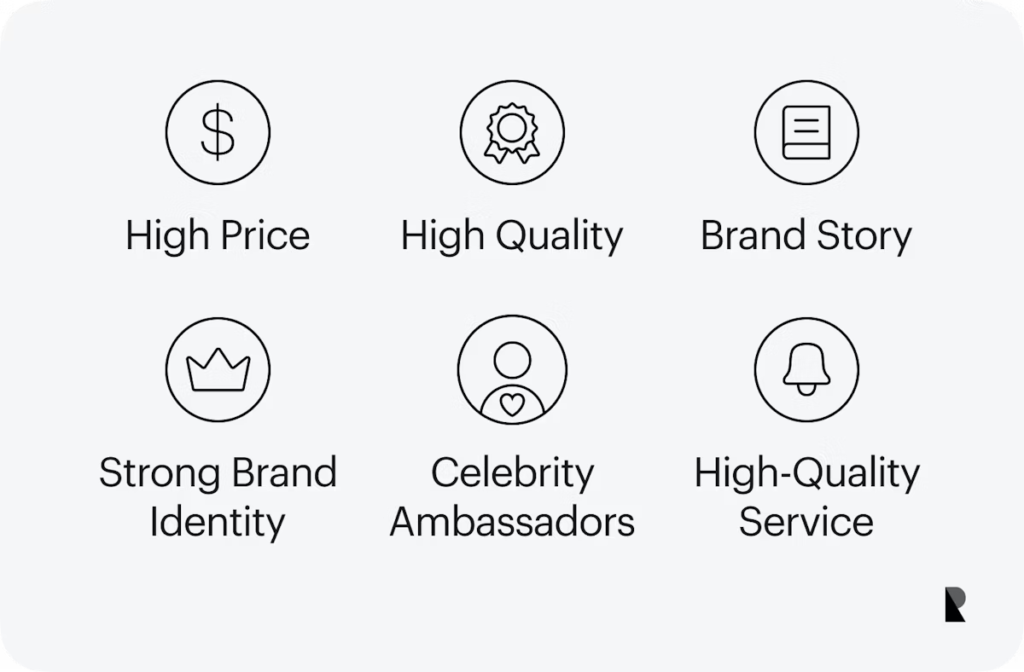
Key elements of luxury branding (Source: Ramotion)
This is a type of branding that positions a brand as a premium choice in the market. Its advantages lie in superior quality and design, as well as inspiring marketing strategies.
Luxury labels like Louis Vuitton have built their reputations on the tenets of excellence, craftsmanship, and heritage. Moreover, it offers distinctive, ethical goods that foster customer loyalty.
10. Ingredient Branding
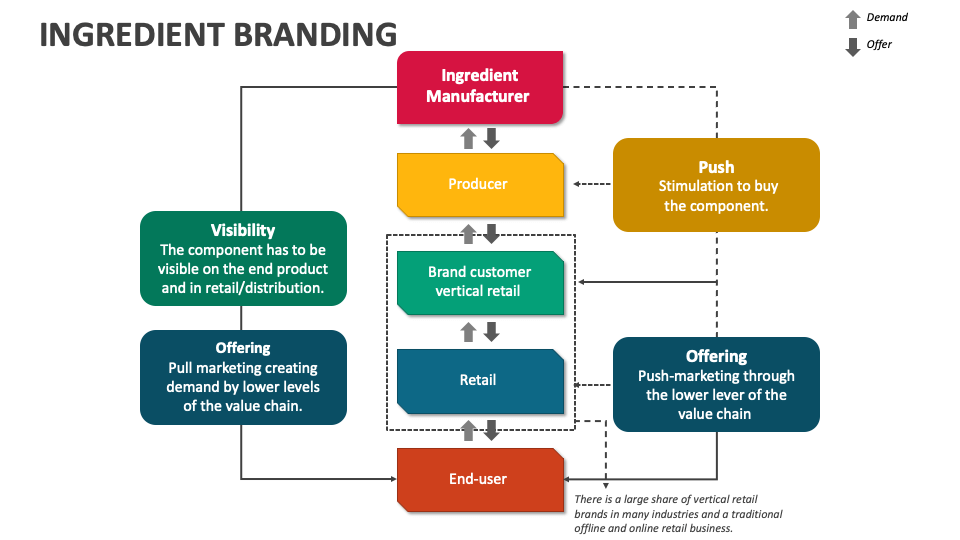
Ingredient branding flow chart (Source: Colidu)
“Ingredient branding” is a marketing term that refers to using specific product ingredients to highlight their value. For example, the Intel Inside campaign. The advantage of this strategy is that it creates a strong identity for a particular component, such as an Intel processor, which serves as a sign of quality.
This boosts consumer confidence and solidifies Intel’s market position.
Start the Perfect Branding with Creating a Strong Visual
Different types of branding have various advantages and focuses. For example, corporate branding aims for a global reputation, while personal branding seeks to showcase one’s uniqueness. Understanding the differences helps readers determine the most appropriate approach for their business or career. Font choice also plays a crucial role in creating a consistent brand identity. The Impossible Font from Ghuroba Studio, with its light and elegant design, can add a unique touch that strengthens your brand image. Choose the correct typeface so that people can easily recognize your brand!